United Nations Convention on the Rights of the Child
Participation in the arts helps babies, children, and young people access their rights as well as offering opportunities to have fun, develop skills, and build positive relationships.
UNCRC Articles 13 and 31:
UNCRC Articles 13 and 31:
Under the provision of Article 31, children have the right to rest, leisure, and participation in cultural life and the arts. Engaging in these activities allows children to develop the invaluable skill of expressing their views freely, aligning with Article 13.
UNCRC Articles 2 and 19:
Engaging in arts activities offers children a safe space to express their emotions and experiences, providing a positive environment that can help reduce their vulnerability to violence, abuse, and exploitation (Article 19). Moreover, the arts play a pivotal role in building children's self-esteem and confidence while fostering a deeper understanding of the emotions and perspectives of others (Article 2).
UNCRC Article 24:
Arts participation promotes happiness and well-being, intrinsically linked to their right to the highest attainable standard of physical and mental health.
UNCRC Articles 28 and 32:
The right to access the arts has far-reaching implications, including progression towards meaningful employment. Engaging in the arts equips young people with the creativity, resilience, and problem-solving skills they need, fulfilling their right to education (Article 28), as well as promoting their development of personality, talents, and abilities (Article 29). This, in turn, helps safeguard them from economic exploitation (Article 32).
UNCRC Article 2, 12, 13 and 14:
The arts also promote tolerance and empathy, contributing to a culture of citizenship that values diversity and appreciates difference (Article 2). The transformative benefits can be profound. Arts and culture empower children, fostering their confidence and ability to create, challenge, and explore, making them not only part of society but change-makers within it.
The arts are more than a positive route to play; they are an essential tool for ensuring the wellbeing, development, and future success of our babies, children, and young people, while also playing a significant role in achieving broader educational objectives.
Image Credits:
Header image: National Youth Choir of Scotland.
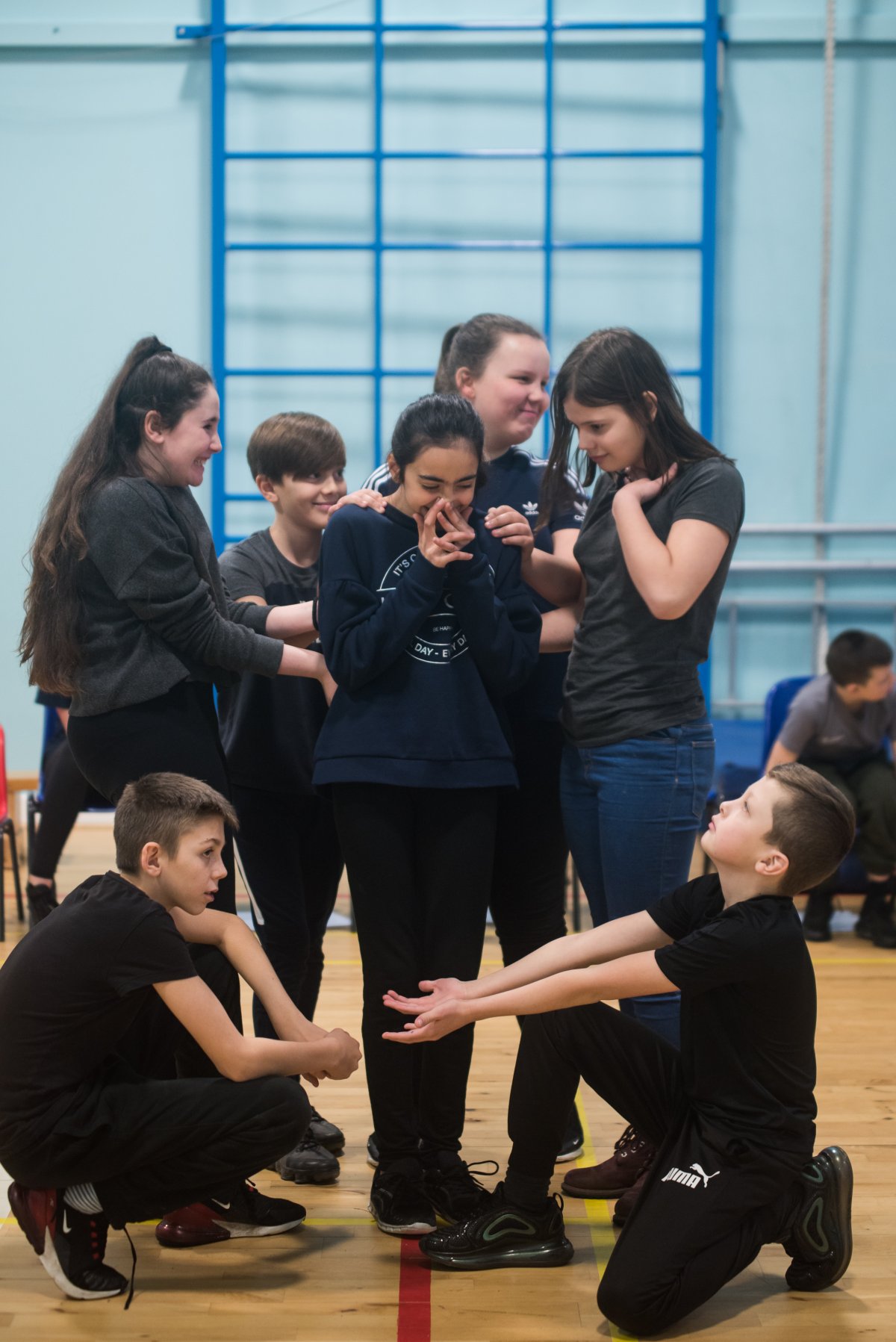
Why the Arts? image: Imaginate- Craigrouston Rules. c. kat Gollock.
(Images are not displayed on all device versions.)